Pihak NASA mengatakan bahwa Space X menjadi perusahaan swasta pertama yang meluncurkan pesawatnya ke International Space Station (ISS), untuk misi pengangkutan kargo.
Falcon 9 and Dragon liftoff at 8:35 PM ET.
Now on their way to the International Space Station.
Now on their way to the International Space Station.
Allhamdulilah Ilmuwan Muda akhirnya dapat menonton saat bersejarah dimana pesawat luar angkasa buatan perusahaan swasta pertama meluncur ke luar angkasa membawa kargo.
Data Perusahaan
 Space Exploration Technologies Corp. |
|
| Type | Private |
|---|---|
| Industry | Aerospace |
| Founded | 2002 |
| Headquarters | Hawthorne, California, USA |
| Key people | Elon
Musk (CEO and CTO) Gwynne Shotwell (President) Tom Mueller Co-Founder and VP of Propulsion |
| Services | Orbital rocket launch |
| Employees | 1,800 (2012) |
| Website | SpaceX.com |
Space Exploration Technologies Corporation is a space transport company
headquartered in Hawthorne, California. It was founded
in 2002 by former PayPal entrepreneur Elon
Musk. It has developed the Falcon 1
and Falcon
9 launch vehicles, both of which were designed
from conception to eventually become reusable. SpaceX also developed the
Dragon spacecraft to be flown into orbit
by the Falcon 9 launch vehicle, initially transporting cargo and later
planned to carry humans. On 25 May 2012, SpaceX made history as the
world's first privately held company to send a cargo payload,
carried on the Dragon spacecraft, to the International Space Station.
SpaceX was founded in June 2002 by PayPal and
Tesla Motors co-founder Elon
Musk who had invested US$100 million of his own money by March 2006.
In January 2005, SpaceX bought a 10% stake in Surrey
Satellite Technology Ltd.
On 4 August 2008, SpaceX accepted a further $20 million investment from
the Founders Fund.
The company has grown rapidly since it was founded in 2002, growing from 160 employees in November 2005 to more than 500 by July 2008, to over 1,100 in 2010. Two-thirds of the company is owned by its founder and his 70 million shares are worth $875 million on private markets, which roughly values SpaceX at $1.3 billion as of February 2012. An initial public offering may happen by the end of 2013. After the COTS 2+ flight the company valuation nearly doubled at $2.4 billion.
The company has grown rapidly since it was founded in 2002, growing from 160 employees in November 2005 to more than 500 by July 2008, to over 1,100 in 2010. Two-thirds of the company is owned by its founder and his 70 million shares are worth $875 million on private markets, which roughly values SpaceX at $1.3 billion as of February 2012. An initial public offering may happen by the end of 2013. After the COTS 2+ flight the company valuation nearly doubled at $2.4 billion.
Musk believes the high prices of other space-launch services are
driven in part by unnecessary bureaucracy. He has stated that one of his
goals is to improve the cost and reliability of access to space,
ultimately by a factor of ten.
SpaceX became the first private company to successfully launch and
return a spacecraft from orbit on 8 December 2010, after its Dragon
capsule returned from a two-orbit flight.
Space Foundation recognized SpaceX for its successful
Dragon launch and recovery with the Space Achievement Award in 2011.
At various conferences, SpaceX has revealed concept slides for future
engine, stage, and launch vehicle designs. Development of these designs
would be predicated on demand for increased performance. Company plans
in 2004 called for "development of a heavy lift product and even a
super-heavy, if there is customer demand" with each size increase
resulting in a significant decrease in cost per pound to orbit.
CEO Elon Musk said: "I believe $500 per pound ($1,100/kg) or less is very achievable."
CEO Elon Musk said: "I believe $500 per pound ($1,100/kg) or less is very achievable."
Elon Musk has stated the personal goal of eventually enabling human
exploration and settlement of Mars.

CEO and President Space Exploration Technologies Corporation:
Mr. Elon
Musk & Mrs. Gwynne Shotwell
Merintis peluncuran wahana ke luar angkasa oleh pihak swasta
Perjalanan menuju keluar angkasa, peluncuran ini menandai sejarah baru ketika sebuah perusahaan swasta meluncurkan wahana ke antariksa. Selama ini, penerbangan ke stasiun luar angkasa hanya dilakukan oleh lembaga pemerintahan.
Ilmuwan muda bersama Roket RX 520 buatan Putra-Putri Terbaik Bangsa
dari Lembaga Penerbangan dan Antariksa Nasional

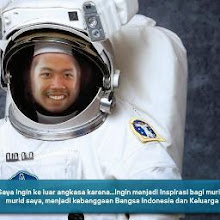
“Setiap peluncuran ke luar angkasa adalah peristiwa mendebarkan bagi saya, karena saya membayangkan suatu saat Bangsa Indonesia pun dapat melakukan hal yang sama, meluncurkan wahana antariksa buatan putra-putri terbaik bangsa ini"
~Arip~
Keunggulam Roket RX520 ini memiliki spesifikasi yang lebih hebat ketimbang Roket RX420. Sehingga Roket RX520 adalah roket terbesar yang di buat oleh LAPAN, 100% adalah hasil karya anak bangsa, para ilmuwan dan insinyur Indonesia.
Keberhasilan peluncuran roket Indonesia ini ke depan akan membawa Indonesia mampu mendorong dan mengantarkan Satelit Indonesia bernama Nano Satellite sejauh 3.600 km ke angkasa. Satelit Indonesia ini nanti akan berada pada ketinggian 300 km dan kecepatan 7,8 km per detik.
Bila ini terlaksana Indonesia akan menjadi negara yang bisa menerbangkan satelit sendiri dengan produk buatan sendiri. satelit buatan Indonesia tersebut konon rencananya siap di luncurkan paling cepat 2013 dengan dana kurang lebih 20 Milyar Rupiah.
Melihat keberhasilan anak-anak bangsa ini, tentunya kita sangat bangga dan menjadi contoh yang baik untuk generasi muda Indonesia, bahwa ternyata masih ada anak-anak bangsa yang mampu berbuat yang terbaik bagi bangsanya daripada tingkah laku para koruptor-koruptor yang kerjanya justru menghabiskan uang rakyat tanpa ada prestasi yang di raihnya.
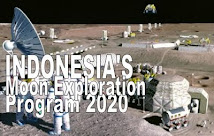
Jika kemampuan roket Indonesia ini terus dikembangkan dengan cepat dan dengan strategi yang tepat maka bukan mustahil bangsa ini dalam rentang waktu 15-25 tahun lagi dapat menerbangkan wahana antariksa yang mampu membawa putra-putri terbaik bangsa untuk mengarungi luasnya antariksa.
Setidaknya Bangsa ini memerlukan minimal 100.000 ahli dalam bidang kedirgantaraan dan keluarangkasaan, serta 1000 pengusaha swasta dalam bidang ini.
Bagaimana strateginya?
1. Membangun 40 Pusat Pendidikan IPTEK Dirgantara dan Antariksa di Universitas dan Perguruan Tinggi di Indonesia, serta pemasukan kurikulum iptek ini ke sekolah menengah. Langkah sederhananya adalah membuat kelompok keahlian khusus peneliti IPTEK Dirgantara dan Antariksa di setiap fakultas MIPA di seluruh Indonesia, setelah terjadi perkembangan yang signifikan maka Universitas dan Institusi Perguruan tinggi yang berhasil mengembangkan kelompok keahlian khusus ini diberikan kewenangan dan dana untuk membentuk jurusan atau fakultas yang berfokus pada Iptek Antariksa ini.
Mengirimkan minimal 300 orang pelajar terbaik ke Lembaga Antariksa negara lain seperti ke NASA, JAXA, ESA, CNSA, ISRO dll. untuk menimba IPTEK Antariksa di sana. Ketiga ratus orang ini nantinya memberikan pembinaan pelatihan, pendidikan berkelanjutan dan terus menerus kepada 30.000 orang pelajar di tanah air melalui media Internet.
2. Membangun minimal 20 Pusat Riset, Inovasi, dan Pengembangan IPTEK Kedirgantaraan dan Antariksa di Indonesia. Mengoptimalkan peran-peran laboratorium LAPAN di daerah-daerah dengan berbagai bentuk kerjasama, merancang kerjasama dengan komunitas-komunitas amatir Antariksa di daerah-daerah untuk ikut mensosialisasikan visi Antariksa Indonesia.
3. Memberikan kemudahan modal dan pembinaan kepada para pengusaha muda dalam bidang Dirgantara dan Antariksa sehingga minimal tercipta 25 perusahaan dalam bidang ini.
2. http://en.wikipedia.org/wiki/List_of_private_spaceflight_companies
List of private spaceflight companies
3. http://detekgan.lapan.go.id/
Kedeputian Bidang Iptek Dirgantara LAPAN
4. http://asosiasiuniversitasrisetantariksa.blogspot.com/
Indonesian University Space Research Association
Keunggulam Roket RX520 ini memiliki spesifikasi yang lebih hebat ketimbang Roket RX420. Sehingga Roket RX520 adalah roket terbesar yang di buat oleh LAPAN, 100% adalah hasil karya anak bangsa, para ilmuwan dan insinyur Indonesia.
Keberhasilan peluncuran roket Indonesia ini ke depan akan membawa Indonesia mampu mendorong dan mengantarkan Satelit Indonesia bernama Nano Satellite sejauh 3.600 km ke angkasa. Satelit Indonesia ini nanti akan berada pada ketinggian 300 km dan kecepatan 7,8 km per detik.
Bila ini terlaksana Indonesia akan menjadi negara yang bisa menerbangkan satelit sendiri dengan produk buatan sendiri. satelit buatan Indonesia tersebut konon rencananya siap di luncurkan paling cepat 2013 dengan dana kurang lebih 20 Milyar Rupiah.
Melihat keberhasilan anak-anak bangsa ini, tentunya kita sangat bangga dan menjadi contoh yang baik untuk generasi muda Indonesia, bahwa ternyata masih ada anak-anak bangsa yang mampu berbuat yang terbaik bagi bangsanya daripada tingkah laku para koruptor-koruptor yang kerjanya justru menghabiskan uang rakyat tanpa ada prestasi yang di raihnya.
Jika kemampuan roket Indonesia ini terus dikembangkan dengan cepat dan dengan strategi yang tepat maka bukan mustahil bangsa ini dalam rentang waktu 15-25 tahun lagi dapat menerbangkan wahana antariksa yang mampu membawa putra-putri terbaik bangsa untuk mengarungi luasnya antariksa.
Setidaknya Bangsa ini memerlukan minimal 100.000 ahli dalam bidang kedirgantaraan dan keluarangkasaan, serta 1000 pengusaha swasta dalam bidang ini.
Bagaimana strateginya?
1. Membangun 40 Pusat Pendidikan IPTEK Dirgantara dan Antariksa di Universitas dan Perguruan Tinggi di Indonesia, serta pemasukan kurikulum iptek ini ke sekolah menengah. Langkah sederhananya adalah membuat kelompok keahlian khusus peneliti IPTEK Dirgantara dan Antariksa di setiap fakultas MIPA di seluruh Indonesia, setelah terjadi perkembangan yang signifikan maka Universitas dan Institusi Perguruan tinggi yang berhasil mengembangkan kelompok keahlian khusus ini diberikan kewenangan dan dana untuk membentuk jurusan atau fakultas yang berfokus pada Iptek Antariksa ini.
Mengirimkan minimal 300 orang pelajar terbaik ke Lembaga Antariksa negara lain seperti ke NASA, JAXA, ESA, CNSA, ISRO dll. untuk menimba IPTEK Antariksa di sana. Ketiga ratus orang ini nantinya memberikan pembinaan pelatihan, pendidikan berkelanjutan dan terus menerus kepada 30.000 orang pelajar di tanah air melalui media Internet.
2. Membangun minimal 20 Pusat Riset, Inovasi, dan Pengembangan IPTEK Kedirgantaraan dan Antariksa di Indonesia. Mengoptimalkan peran-peran laboratorium LAPAN di daerah-daerah dengan berbagai bentuk kerjasama, merancang kerjasama dengan komunitas-komunitas amatir Antariksa di daerah-daerah untuk ikut mensosialisasikan visi Antariksa Indonesia.
3. Memberikan kemudahan modal dan pembinaan kepada para pengusaha muda dalam bidang Dirgantara dan Antariksa sehingga minimal tercipta 25 perusahaan dalam bidang ini.
Kunjungi juga:
1. http://sekolahiptekkeluarangkasaan.blogspot.com/
Indonesian Space Sciences & Technology School
Indonesian Space Sciences & Technology School
2. http://en.wikipedia.org/wiki/List_of_private_spaceflight_companies
List of private spaceflight companies
3. http://detekgan.lapan.go.id/
Kedeputian Bidang Iptek Dirgantara LAPAN
4. http://asosiasiuniversitasrisetantariksa.blogspot.com/
Indonesian University Space Research Association